Curly hair has unique needs when it comes to hydration and maintenance. If you’re searching for a natural way to keep your curls healthy, shiny, and manageable, coconut oil for hair curls may be the solution you’ve been looking for. For decades, coconut oil has been used as a trusted hair care ingredient thanks to its moisturizing and strengthening properties.
Whether you have loose waves, defined ringlets, or tight coils, understanding how to use coconut oil correctly can help you achieve healthier, more beautiful curls.
Why Curly Hair Needs Extra Moisture
Curly hair tends to be drier than straight hair because natural scalp oils have a harder time traveling down the twists and bends of each strand. As a result, curls are often more prone to:
- Frizz
- Dryness
- Breakage
- Split ends
- Tangles
This is where coconut oil for hair curls can make a noticeable difference. Its rich fatty acid content helps nourish hair while improving moisture retention.


What Makes Coconut Oil Effective for Curly Hair?
Coconut oil contains lauric acid, a fatty acid known for its ability to penetrate the hair shaft more effectively than many other oils.
Unlike products that simply coat the surface of the hair, coconut oil can help strengthen strands from within.
Deep Moisture Retention
One reason people love coconut oil for hair curls is its ability to lock in moisture. Well-moisturized curls tend to look softer, more defined, and less frizzy.
Reduced Protein Loss
Hair naturally loses protein due to washing, heat styling, and environmental damage. Coconut oil helps minimize protein loss, which can contribute to stronger and healthier curls over time.
Improved Shine
Dry curls often appear dull. Coconut oil adds a natural shine without making hair look overly greasy when used correctly.
Benefits of Coconut Oil for Hair Curls
Enhances Curl Definition
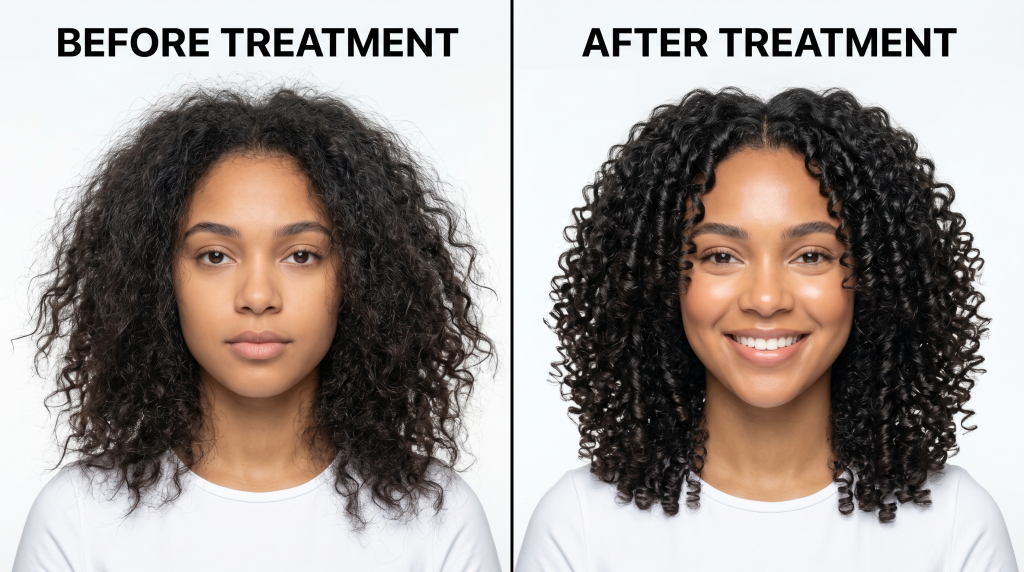
One of the biggest advantages of using coconut oil for hair curls is improved curl definition. Moisturized strands are better able to maintain their natural curl pattern.
Many people notice their curls appear more structured and bouncy after regular use.
Controls Frizz
Humidity and dryness can cause curly hair to become unruly. Coconut oil helps smooth the hair cuticle, reducing frizz and flyaways.
Protects Against Damage
Frequent styling, coloring, and heat exposure can weaken curls. Coconut oil forms a protective barrier that helps shield hair from everyday stressors.
Supports Scalp Health
A healthy scalp creates a better environment for healthy hair growth. Coconut oil contains natural properties that can help soothe dry scalp conditions.
How to Use Coconut Oil on Curly Hair
Applying coconut oil for hair curls properly is essential for achieving the best results.
As a Pre-Wash Treatment
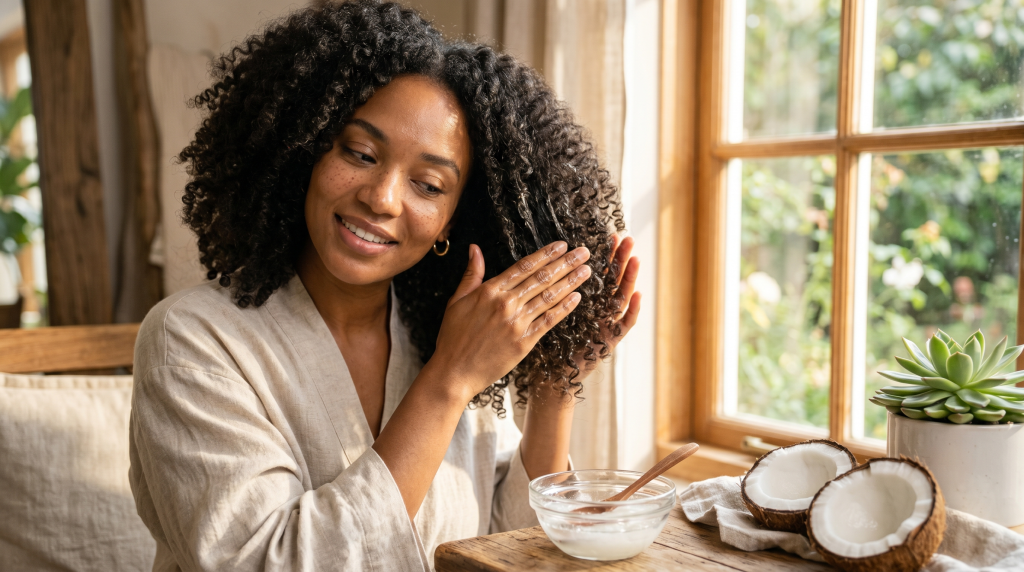
Before shampooing, apply a small amount of coconut oil from mid-length to ends.
Leave it on for 30 minutes to several hours before washing your hair. This method helps reduce moisture loss during cleansing.
As a Leave-In Moisturizer
For very dry curls, use a tiny amount of coconut oil after washing. Focus on the ends and avoid applying too much near the roots.
Overnight Hair Mask
For deep conditioning, apply coconut oil generously and cover your hair with a satin bonnet or towel overnight.
Wash it out the next morning for softer, more hydrated curls.
Mixed With Curl Cream
Many curl enthusiasts combine coconut oil with their favorite curl-defining products to maximize moisture and enhance styling results.
Common Mistakes to Avoid
While coconut oil for hair curls offers many benefits, improper use can sometimes lead to issues.
Using Too Much Product
Excessive coconut oil can weigh down curls and create buildup. Start with a small amount and adjust as needed.
Applying to Dirty Hair
Applying oil over heavy product buildup may prevent it from penetrating effectively.
Ignoring Hair Type
Not all curls respond the same way to coconut oil. Fine curly hair may need lighter applications, while thicker curls can often tolerate more moisture.
Is Coconut Oil Suitable for Every Curl Type?
Most curl types can benefit from coconut oil, but results vary depending on hair texture and porosity.
Low-Porosity Hair
Some people with low-porosity hair find coconut oil sits on the surface rather than absorbing fully. In these cases, lighter oils may work better.
Medium to High-Porosity Hair
Those with medium or high-porosity curls often experience significant moisture benefits from coconut oil for hair curls, especially when used as part of a regular hair care routine.
Natural Hair Care Tips for Healthier Curls
In addition to using coconut oil, consider these healthy curl habits:
- Sleep on a satin pillowcase
- Limit heat styling
- Use sulfate-free shampoos
- Deep condition regularly
- Trim split ends when necessary
- Stay hydrated and maintain a balanced diet
These simple practices can support stronger, more resilient curls.
FAQ About Coconut Oil for Hair Curls
Is coconut oil good for curly hair?
Yes. Coconut oil helps moisturize curls, reduce frizz, improve shine, and protect against damage.
How often should I use coconut oil on curly hair?
Most people benefit from using it once or twice per week, depending on hair texture and moisture needs.
Can coconut oil make curls greasy?
Using too much product can make curls feel heavy or greasy. Start with a small amount and adjust gradually.
Does coconut oil help with curl definition?
Yes. Properly moisturized curls often appear more defined and maintain their shape better.
Can I leave coconut oil in my hair overnight?
Yes. Many people use overnight coconut oil treatments to provide deep hydration and improve overall hair softness.
Conclusion
Using coconut oil for hair curls can be a simple and affordable way to improve moisture, reduce frizz, and enhance natural curl definition. When used correctly, it supports healthier-looking hair while helping curls remain soft, shiny, and manageable.