Bleaching can completely transform your hair, whether you’re going blonde, adding highlights, or experimenting with a bold new color. However, anyone who has bleached their hair knows that the process can leave strands feeling dry, brittle, and prone to breakage. That’s why many people turn to coconut oil for hair bleaching as a natural way to help protect their hair before and after treatment.
From social media beauty tips to professional salon recommendations, coconut oil has gained attention as a valuable addition to a bleaching routine. But does it actually work? Let’s explore the science, benefits, and best ways to use it.
Why Bleaching Can Damage Hair
Hair bleach works by opening the hair cuticle and breaking down the natural pigment inside the hair shaft. While this process creates lighter hair, it can also weaken the structure of each strand.
Common side effects of bleaching include:


- Dryness
- Split ends
- Breakage
- Frizz
- Loss of shine
- Increased porosity
Because of these effects, many people use coconut oil for hair bleaching to help minimize damage and maintain healthier-looking hair.
How Coconut Oil Benefits Hair
Coconut oil contains lauric acid, a fatty acid known for its ability to penetrate the hair shaft more effectively than many other oils.
Unlike products that simply coat the surface, coconut oil can absorb into the hair and help strengthen it from within.
Reduces Protein Loss
Hair is made primarily of protein. Bleaching can weaken these proteins, making hair more fragile.
One reason people use coconut oil for hair bleaching is its ability to help reduce protein loss, which may improve hair strength over time.
Improves Moisture Retention
Bleached hair often struggles to retain moisture. Coconut oil helps create a protective barrier that locks in hydration and reduces dryness.
Adds Shine and Softness
Regular use of coconut oil can leave hair feeling smoother and looking healthier, even after chemical treatments.
Can You Apply Coconut Oil Before Bleaching?
One of the most common questions people ask is whether they should use coconut oil for hair bleaching before the actual bleaching process.
The answer is often yes.
Many professional stylists recommend applying coconut oil several hours before bleaching. Some even suggest leaving it on overnight.
Why Apply It Before Bleaching?
The oil creates a layer around the hair shaft that may help reduce excessive moisture loss during the bleaching process.
Although coconut oil does not stop bleach from working, it can provide additional protection against severe dryness and breakage.
How to Apply It
- Start with dry, unwashed hair.
- Apply coconut oil evenly from roots to ends.
- Focus on damaged or previously processed areas.
- Leave it on for several hours or overnight.
- Proceed with bleaching as directed.
Using Coconut Oil After Bleaching
The benefits of coconut oil for hair bleaching do not end once the coloring process is complete.
Post-bleach care is just as important for maintaining healthy hair.
Deep Conditioning Treatment
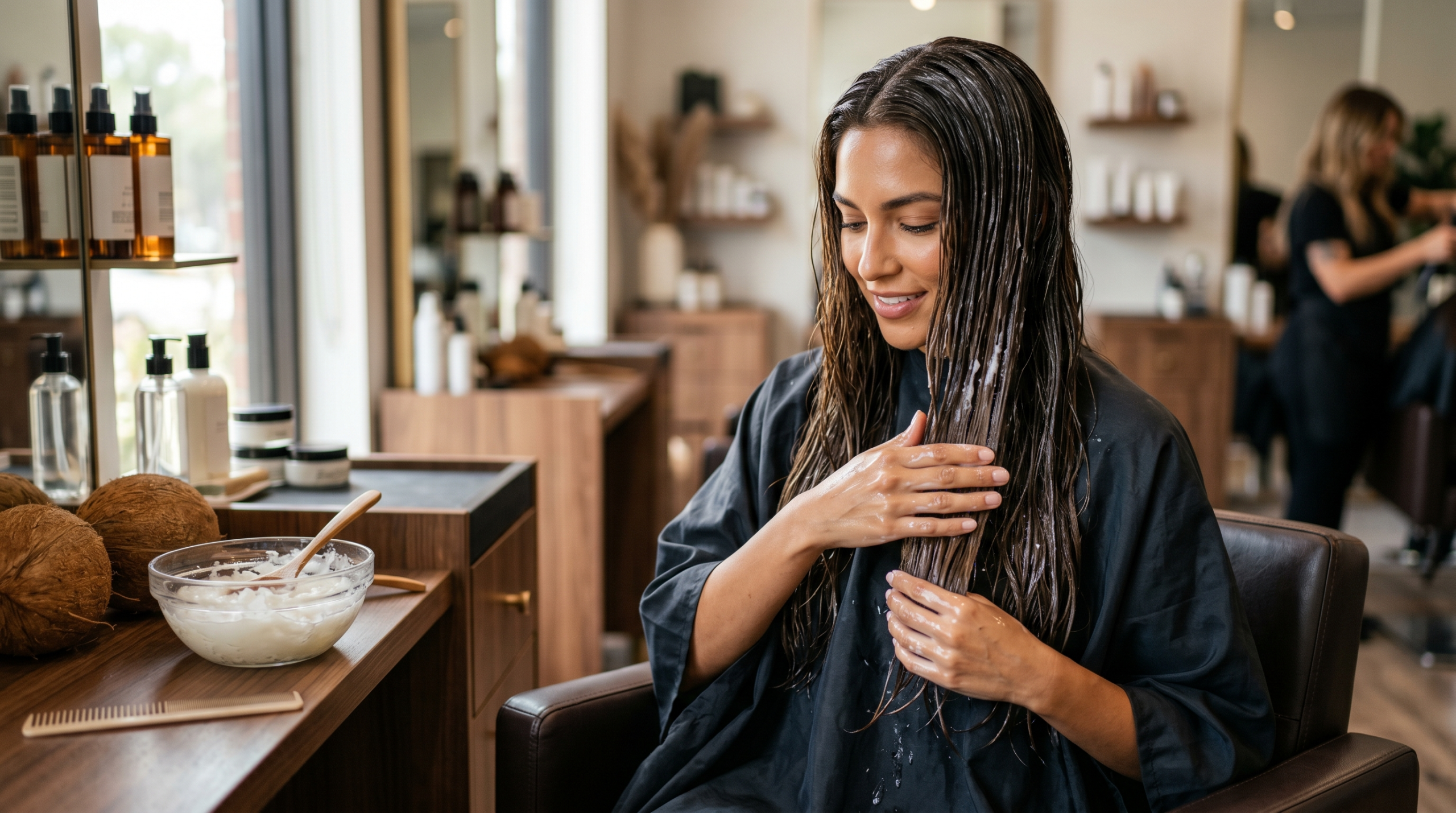
After bleaching, coconut oil can be used as a nourishing hair mask.
Apply a generous amount to damp hair and leave it on for at least 30 minutes before washing.
Overnight Repair Treatment
For severely dry hair, an overnight coconut oil treatment can provide intensive hydration and help restore softness.
Frizz Management
Bleached hair often becomes more porous and prone to frizz. Coconut oil helps smooth the hair cuticle, improving manageability.
Potential Drawbacks to Consider
While coconut oil for hair bleaching offers many benefits, it may not be suitable for everyone.
Hair Type Matters
Fine hair may become weighed down if too much coconut oil is used.
People with low-porosity hair may also find that coconut oil sits on the surface instead of absorbing effectively.
Product Buildup
Excessive use can lead to buildup, making hair feel greasy or heavy.
Using moderate amounts is usually the best approach.
Not a Complete Protection Solution
It is important to understand that coconut oil cannot completely prevent bleach damage. Bleaching remains a chemical process that affects the hair structure.
Think of coconut oil as a supportive treatment rather than a guaranteed shield.
Best Practices for Healthy Bleached Hair
In addition to using coconut oil for hair bleaching, adopting healthy hair care habits can make a significant difference.
Limit Heat Styling
Frequent use of flat irons and curling wands can worsen bleach-related damage.
Use Sulfate-Free Shampoo
Gentle cleansers help maintain moisture and prevent excessive dryness.
Deep Condition Weekly
A quality deep-conditioning treatment supports moisture balance and strengthens weakened strands.
Schedule Regular Trims
Removing split ends prevents damage from traveling further up the hair shaft.
Protect Hair From UV Exposure
Sunlight can further dry out bleached hair and contribute to color fading.
Who Should Consider Coconut Oil Before Bleaching?
Using coconut oil for hair bleaching may be especially helpful for people who:
- Have naturally dry hair
- Previously colored their hair
- Frequently use heat tools
- Experience breakage easily
- Want additional moisture support
However, it is always wise to consult a professional stylist if you have highly damaged or chemically treated hair.
FAQ About Coconut Oil for Hair Bleaching
Does coconut oil stop bleach from working?
No. Coconut oil does not prevent bleach from lightening hair when used properly.
How long should I leave coconut oil on before bleaching?
Many people leave it on for several hours or overnight before the bleaching appointment.
Can coconut oil repair bleach damage?
While it cannot fully reverse damage, coconut oil can help improve moisture retention and reduce breakage.
Is coconut oil safe for color-treated hair?
Yes. Coconut oil is generally safe and can help support healthy-looking color-treated hair.
How often should I use coconut oil after bleaching?
Using it once or twice a week as a conditioning treatment is often sufficient for most hair types.
Conclusion
Using coconut oil for hair bleaching can be a smart way to support healthier hair before and after the bleaching process. While it won’t completely eliminate damage, it may help reduce moisture loss, improve softness, and strengthen vulnerable strands.